


Reviews
0
/ 0 отзывов
 Cultural heritage

Among places the Irtish rever in Pavlodar are an interesting and important area for archaeological research. Many monuments are evidence of it, which was left by our ancestors. According to scientists, some of the monuments refer to Paleolithic era.
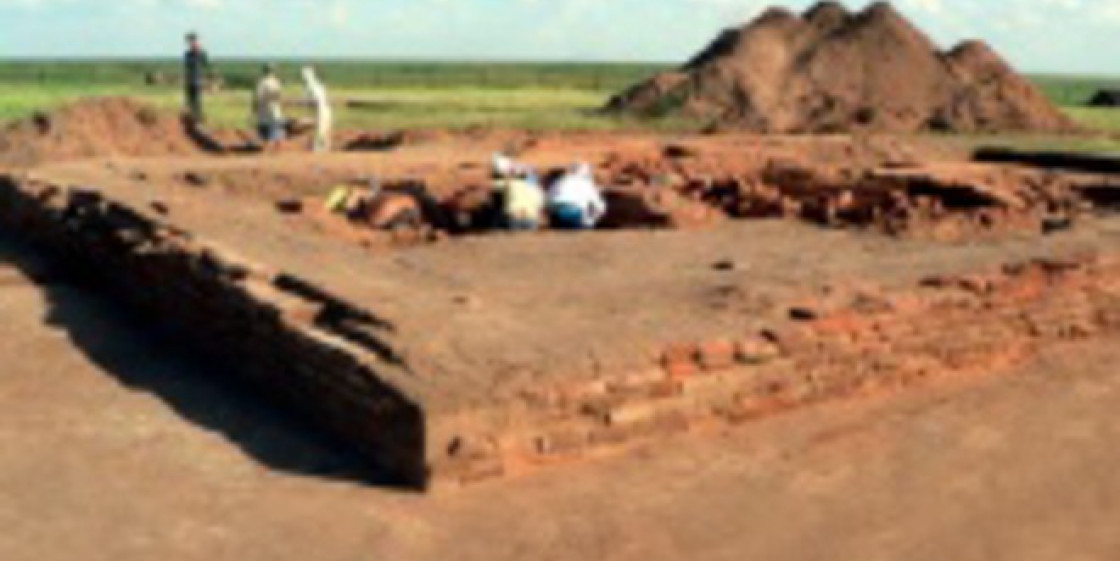
Auliekol is one of the unique archaeological cities, which is located in Ekibastuz, Pavlodar region, from 50 km to the north-west of Ekibastuz, at the confluence of the Olenty river into Auliekol Lake.
From a geographical point of view, this area is characterized by predominantly flat terrain. The settlement is located on top of the outcrop, which is called ‘Karaoba’ by local people.
The existence of this ancient settlement was known for a long time ago, local historians also reported about it. However, a serious study of the archaeological monument was not provided.
Auliekol attracted the attention of scientists only in 2005 when it was examined by the expedition of the Institute of Archaeology and Pavlodar State Pedagogical Institute. It was defined that settlement is multi layer monument, and it contains materials of different archaeological periods after examination and collection of materials.
The earliest findings are remains of Neolithic, in the form of stone tools: scrapers, fragments of bifaces and microplates of yellow jasper, gray quartzite, brown and green flint.
The medieval complex is characterized by fragments of pottery, fragments of brick and glazed tiles. They gathered near the remains of residential and industrial buildings and at the necropolis of the settlement, where ruins of mausoleums were discovered by the medieval nobility of brick.
More detailed investigations were made by scientists in 2007, and gave surprising results. Findings prove that there was a large administrative center of nomadic civilization in the 14th century. Unique artifacts again prove this version. Archaeologists have found silver coins, earrings, and pieces of decorative tiles with unknown symbols. According to scientists, these symbols are associated with the penetration of Islam among nomads.
Except for the residential complexes, there were found a variety of burial settlements. After careful investigation, it was obvious that a huge cemetery was from the Altyn Orda. The exact time was given according to discoveries of the burial coin.
According to the definition of numismatists, it dates back to the 1323 year. It means that buried relates to 20-the years of the XIV century. Necropolis acted according to preliminary calculations of scientists, from the 20s of the XIV century to the first half of the XV century. The beginning of the monument operation falls on the heyday of the Altyn Orda, the final was at the time, when Abulkhayr Khan was on the throne of the eastern Deshti Kypchak, and sultans Kerey and Zhanibek lived at that time. In other words, it is a prologue of that period, when the Kazakh Khandik (Empire) became an independent state.
Scientists have discovered that a separate sector of the excavated ancient cemetery was quite different from the other gravestone constructions. Archeologists said that here was an elite burial. Aristocracy buried in mausoleums - the largest funerary settlements of the steppe in that period. Building Size - 12 to 19 meters, the famous mausoleum of Zhoshy Khan is smaller than the finding in Auliekol. Today, one mausoleum is totally studied, and started clearing of the second one, which is called "Large".
The fact about the mausoleum was Muslims’ mausoleum. It was proved by dome’s debris with decoration of blue glaze. Medieval architects adorned religious sanctuary with such materials. Archaeologists also found an ancient tomb. Apparently, the highest hierarchy of the Altyn Orda was buried there. According to another version which was given by scientists, one of the Zhoshy khans’ descendants was buried in the grave.
Found mausoleum is very interesting because it is the largest outstanding construction of the 14 century, which was found in the steppes of Kazakhstan. It is located on the same row with such unique monuments of architecture as Alashakhan and Zhosykhan mausoleums.
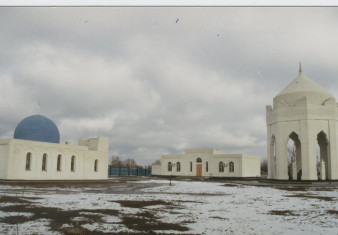
In 50 km from the modern city of Atyrau, there is one of perspective tourist routes, regional memorial estate "Khan Ordaly Sarajshyk" who opens all ancient history of the Kazakh people.
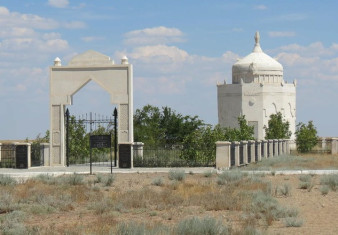


The grave site of the great Kazakh poet of the 19th century, free-thinker and inspirer of the rebellion of Makhambet Utemisov is situated in Inder, Atyrau region, 40 km to the south-east from the village Inderbor.
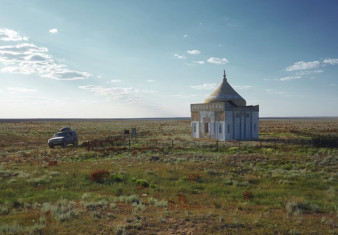
Atyrau region is rich in its architectural monuments of culture, one of them is considered to be Zhuban Mausoleum.
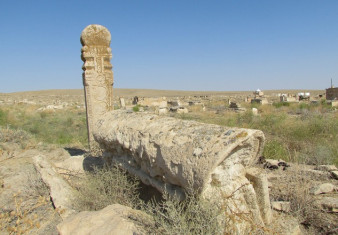
Senek reserve is an architectural monument of the XVII - XX centuries, it represents a necropolis consisting of several sepulchral constructions and an old mosque.
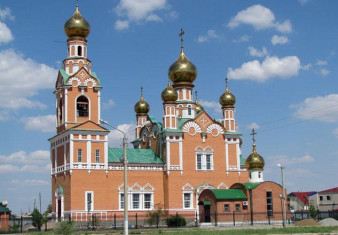
One of the oldest and most beautiful architectural monuments of the city - Uspenski Cathedral is located in the heart of the city of Atyrau, on Issatay Taimanov street, just a few steps from the main square.
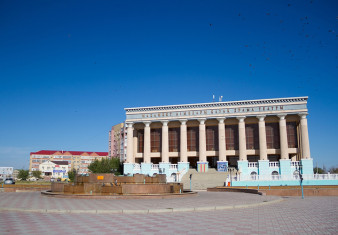
One of the leading places in the cultural life of Atyrau and the whole Atyrau region belongs to the Kazakh Drama Theater named after Makhambet Utemisov.


